+2348022556265
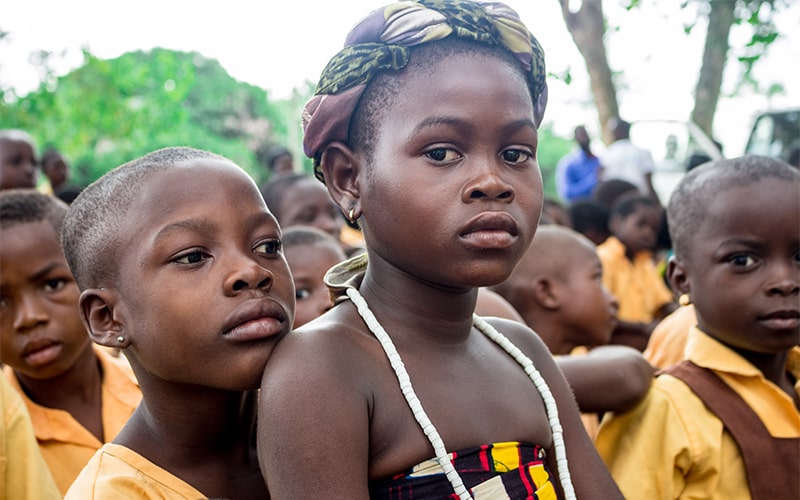
SHEDAFRICA’s Strategic Priorities (2025–2030)
SHEDAFRICA’s strategic priorities are designed to build on nearly three decades of community-centered work while addressing emerging challenges like climate change, health inequities, economic vulnerability, and governance gaps in Nigeria. These priorities focus on scaling proven interventions, enhancing sustainability, and fostering long-term impact for women, youth, and vulnerable populations. Below is a detailed one-paragraph explanation for each priority:
1. Scale up programmes in nutrition, renewable energy, reproductive health, and enterprise development SHEDAFRICA aims to significantly expand its core intervention areas to reach more communities across its operational states (Cross River, Adamawa, Edo, Akwa Ibom, and FCT Abuja). This includes rolling out enhanced nutrition programs to combat malnutrition among children and mothers, promoting wider adoption of renewable energy solutions like improved cookstoves and waste-to-energy briquettes to reduce deforestation and indoor air pollution, strengthening reproductive health services with a focus on maternal care, family planning, and HIV prevention, and accelerating microenterprise initiatives through skills training, savings schemes, and homestead farming support. By scaling these areas, the organization seeks to create measurable improvements in household resilience, income generation, and health outcomes, targeting at least a 50% increase in beneficiaries while integrating monitoring systems for greater efficiency and donor alignment.
2. Expand community-based natural resource governance initiatives Building on existing environmental projects, SHEDAFRICA will broaden its efforts in sustainable forest management, biodiversity conservation, and climate change adaptation. This priority involves partnering with local communities to establish stronger governance structures for natural resources, including community-led monitoring of protected areas, promotion of agroforestry, and awareness campaigns on sustainable land use. Special emphasis will be placed on empowering women and youth as environmental stewards through training in renewable energy technologies and waste management. The goal is to enhance ecosystem resilience against climate impacts like flooding and desertification, while ensuring that vulnerable groups benefit equitably from resource conservation, ultimately contributing to Nigeria’s national climate commitments and long-term ecological security. 3. Strengthen evidence-based research and monitoring systems To improve program effectiveness and accountability, SHEDAFRICA will invest in robust research, data collection, and impact evaluation frameworks. This includes conducting baseline studies, regular monitoring of key indicators (e.g., health access, livelihood improvements, and environmental metrics), and publishing findings to inform policy and scale best practices. Partnerships with academic institutions and research bodies will support evidence generation on topics like gender-inclusive development and climate-health linkages. By embedding rigorous M&E systems, the organization aims to demonstrate clear value to donors, refine interventions based on real-time data, and build a knowledge repository that supports advocacy for vulnerable communities at state and national levels. 4. Promote gender mainstreaming and inclusive community participation Gender equality and social inclusion remain central to all SHEDAFRICA activities. This priority focuses on deepening gender mainstreaming across programs — ensuring women’s leadership in decision-making, equal access to resources, and protection from violence — while promoting broader inclusion of youth, persons with disabilities, and marginalized ethnic groups. Initiatives will include targeted capacity-building workshops, gender-sensitive project design, and community dialogues for conflict resolution and peacebuilding. The approach emphasizes participatory methods where communities co-own projects, fostering ownership, sustainability, and reduced inequalities in line with national gender policies and SDGs. 5. Pursue strategic partnerships with donors, government, and private sector SHEDAFRICA recognizes that sustainable impact requires collaborative ecosystems. This priority involves actively seeking new funding partnerships with international donors (e.g., expanding beyond USAID/UNICEF), strengthening collaborations with federal and state governments for policy alignment and co-funding, and engaging the private sector for corporate social responsibility initiatives in health, environment, and enterprise development. Emphasis will be placed on building transparent, results-oriented alliances, joint project implementation, and knowledge-sharing platforms. These partnerships will help diversify resources, enhance technical capacity, and amplify reach, positioning SHEDAFRICA as a key player in Nigeria’s sustainable development landscape through 2030. These priorities align with SHEDAFRICA’s mission of evidence-based, community-driven development and will be supported by organizational strengthening in areas like financial management, ICT, and staff capacity.
SHED Africa
Key initiatives include forest conservation, climate change adaptation, renewable energy promotion, and youth environmental leadership camps. These projects enhance community awareness and sustainable natural resource management across multiple states.
Related Post
3 Comments
Leave a comment
Recent Post

SHED Africa
01 Jan 2024 at 12:00pmKey initiatives include forest conservation, climate change adaptation, renewable energy promotion, and youth environmental leadership camps. These projects enhance community awareness and sustainable natural resource management across multiple states.
ReplySHED AFRICA
01 Jan 2024 at 12:00pm
Under EU partnerships, SHEDAFRICA facilitated the construction of classrooms, health centres, and water supply systems. This improves access to basic services for women, youth, and marginalized groups in target communities.
ReplySHED Africa
01 Jan 2024 at 12:00pm
The organization trained more than 800 caregivers in income-generating skills, homestead farming, savings schemes, and small business development. This empowers women and families to achieve financial independence and reduce vulnerability.
Reply